MID ISLAND MARKETING / GOOGLE ADS MANAGEMENT
Reach people already searching for your services.
Hands-on Google Ads management for Nanaimo and Central Vancouver Island service businesses. Practical budgets, thoughtful targeting, and a focus on qualified inquiries rather than clicks alone.
Discuss your business ↗GOOGLE SEARCH ADVERTISING EXPLAINED
What are Google Ads, and how do they work?
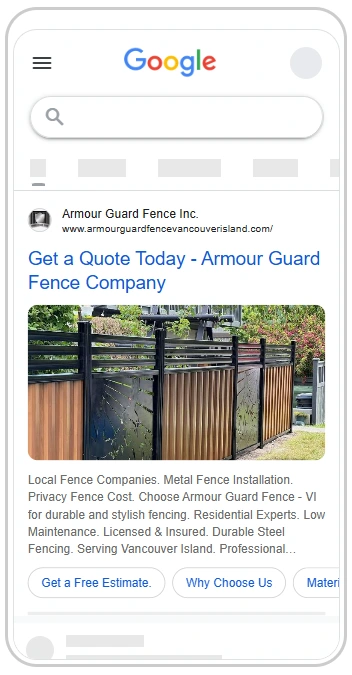
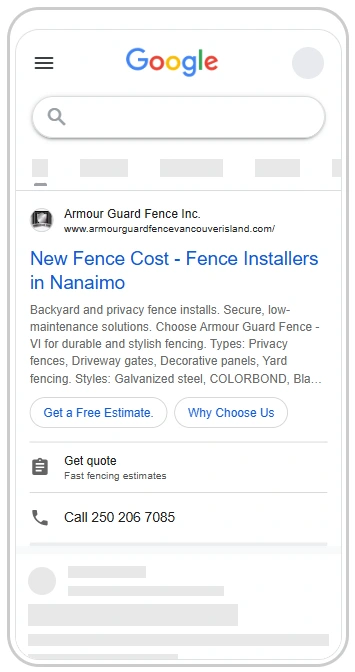
Google Ads is Google's paid advertising platform. Search ads can appear in sponsored results when people look for products or services, such as “fence installation Nanaimo” or “tree removal near me.”
With traditional Google Search Ads, advertisers generally pay when someone clicks an ad, not simply when it appears. You can choose where to advertise, which searches to target, and which page visitors see after clicking.
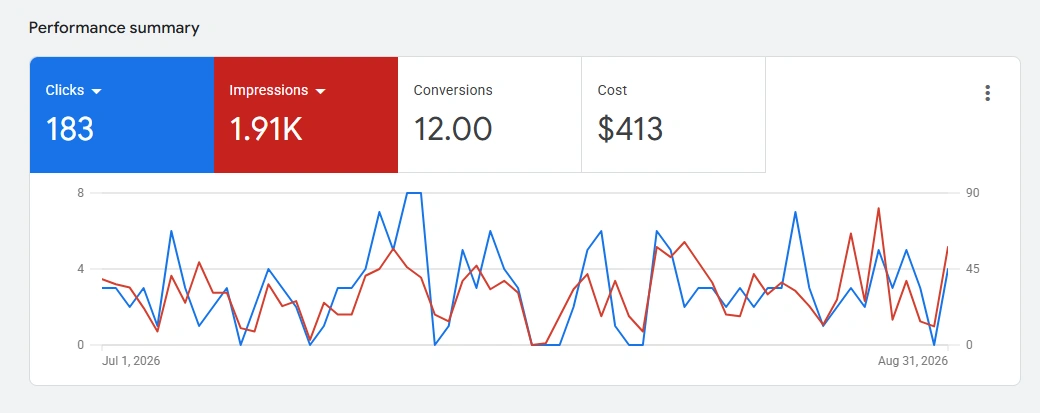
Getting clicks isn't the goal. Getting the right clicks is. Useful campaigns need relevant keywords, location targeting, clear ad messages, lead tracking, and regular checks for wasted spending.
A modest budget can still be worthwhile when it targets the right jobs in the right communities, although results depend on competition, demand, and campaign performance.
TWO WAYS TO REACH LOCAL CUSTOMERS
Google Ads vs. Local Services Ads: what's the difference?
Many business owners are familiar with sponsored Google search results but haven't noticed the separate Local Services Ads (LSA) listings. These can appear for eligible local service searches, often showing business names, ratings, and options to call or request a quote directly.
Traditional Google Search Ads typically charge for clicks. Local Services Ads generally charge for leads, such as qualifying calls or messages, and are available only to eligible business categories and locations. Google's screening and verification requirements vary; don't assume every listing displays a verification badge.
| Feature | Google Search Ads | Local Services Ads (LSA) |
|---|---|---|
| Typical billing | Pay per click | Pay per lead |
| Where customers go | Usually your website or landing page | Can contact you directly from the listing |
| Keyword control | Detailed keyword and search-term controls | More limited; based on services and settings |
| Who can advertise | Broad range of eligible advertisers | Selected service categories and areas |
| Account requirements | Standard Google Ads policies and verification as applicable | Category-specific screening and verification |
| Best use | Targeted messages, landing pages, and service-specific campaigns | Direct inquiries from people looking for local providers |
Which is better for your business?
That depends on your industry, eligibility, budget, service area, and the quality of inquiries each channel produces. Some businesses benefit from one; others can use both. The best choice comes from measuring actual leads, not assuming one format always wins.
Want more detail? See our Local Services Ads management page.
HOW I MANAGE CAMPAIGNS
Practical support, not fluff.
Service-area and keyword targeting
Focus on the jobs and communities you want to serve.
Ads and search-term reviews
Refine messaging and reduce irrelevant traffic where possible.
Landing pages and lead tracking
Make it easier to inquire and understand where leads come from.
Budget decisions and reporting
Review performance, explain trade-offs, and adjust thoughtfully.
INDEPENDENT CAMPAIGN MANAGEMENT
Your advertising budget. Your business goals.
Google Ads offers automated recommendations, but not every recommendation is right for every business. Suggestions to broaden targeting, change bidding strategies, or increase budgets deserve evaluation against your actual goals.
I review those recommendations independently and make decisions based on what matters to you: relevant inquiries, sensible spending, and a useful return on your advertising investment.
DIY AND AI TOOLS
Can you manage Google Ads yourself?
Absolutely. Google provides campaign-building tools, and AI can help research keywords, draft advertisements, and explain unfamiliar settings. But setting up an ad is different from knowing whether it's generating worthwhile business.
Should you raise the budget or tighten your targeting? Are those clicks becoming genuine inquiries? Is an automated recommendation appropriate for your particular business?
AI can help you find answers, but you still need to know which questions to ask — and how to evaluate the answers.
That's where hands-on experience and independent judgment can help.
REAL CLIENT WORK
See what I've worked on.
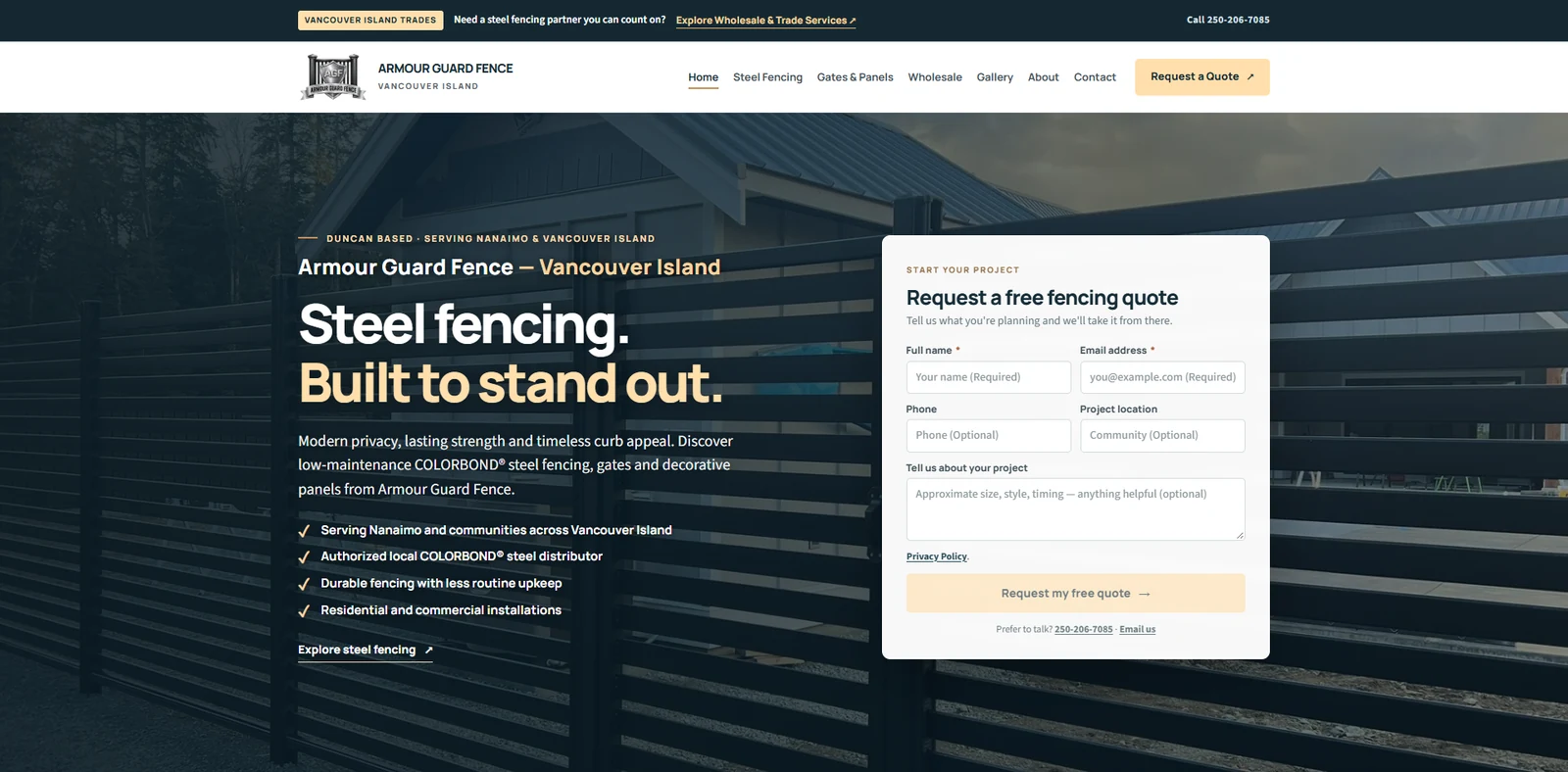
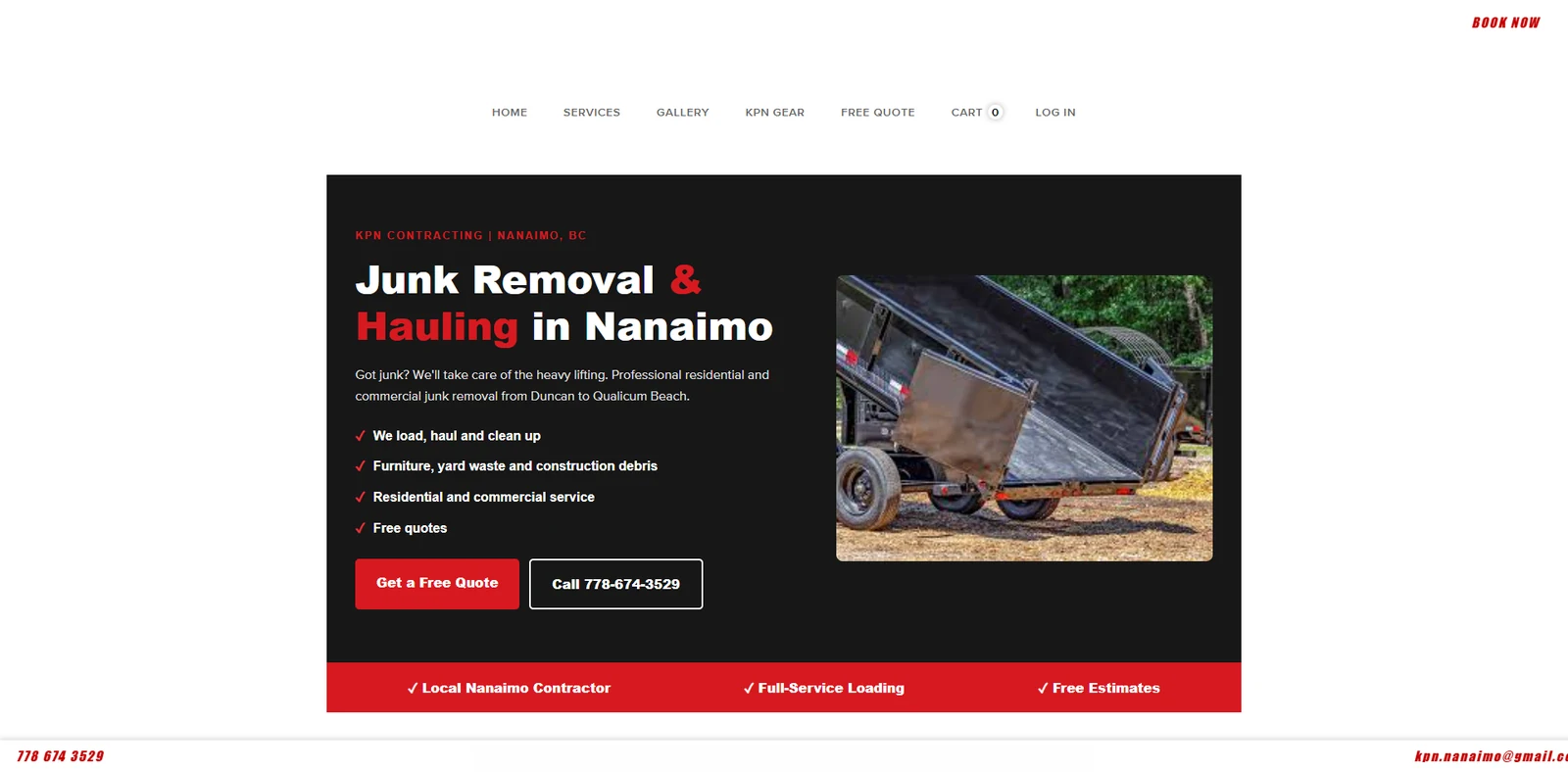
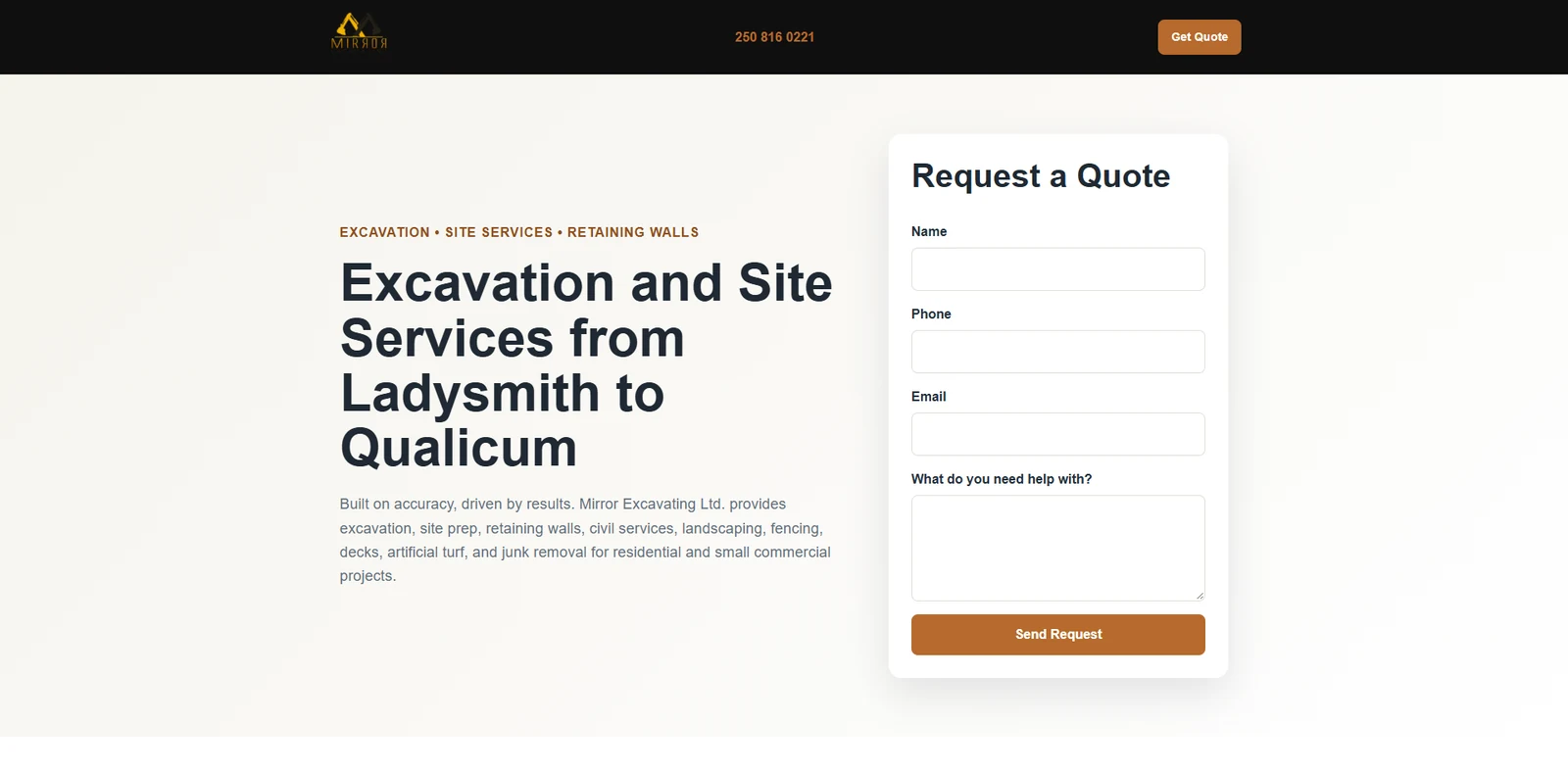
Examples of campaign management and related website work, described without unverified performance claims.